 Postry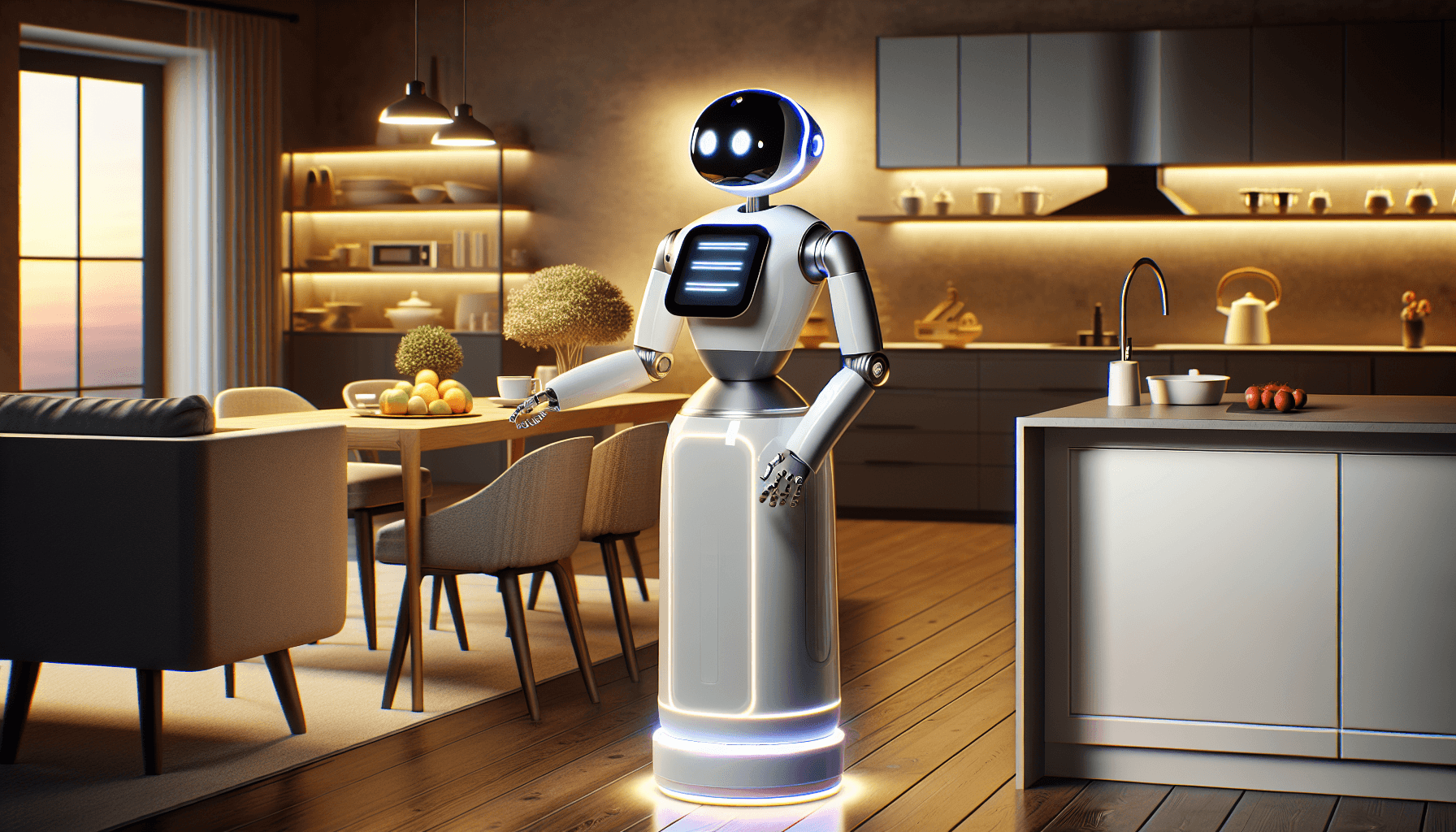
The New Era of Home Robots with Artificial Intelligence
Artificial intelligence is leaving the labs and entering our homes directly. Home robots with AI represent one of the biggest technological revolutions in recent years, promising to completely transform the way we perform daily tasks, take care of our health, and interact with our living spaces.
What once seemed like science fiction is now reality. Companies like Tesla, Samsung, Amazon, and various startups are investing billions of dollars in developing intelligent robotic assistants capable of learning from our habits, anticipating our needs, and performing household tasks with surprising efficiency.
What Are Home Robots with AI and How Do They Work
Home robots with AI are autonomous devices equipped with advanced sensors, cameras, microphones, and artificial intelligence processors that allow them to navigate the environment, recognize objects, understand voice commands, and make independent decisions to perform tasks around the house.
These robots use technologies such as computer vision, natural language processing, machine learning, and autonomous navigation. Through sophisticated algorithms, they can map the environment, identify obstacles, recognize familiar faces, and even detect emergency situations.
The major difference compared to traditional robot vacuums is the ability for continuous learning. While a robot vacuum follows pre-programmed routes, a home robot with AI learns your schedules, preferences, and routines, adapting its behavior over time to offer an increasingly personalized service.
Main Functions of Intelligent Home Robots
Home robots with artificial intelligence already perform an impressive variety of functions that go far beyond simple cleaning. Here are the main applications:
- Smart cleaning: They vacuum, mop, and even organize misplaced objects, identifying different types of dirt and surfaces to apply the most appropriate cleaning method.
- Elderly assistance: They monitor the health of elderly people, remind them of medication schedules, detect falls, and can automatically contact emergency services.
- Home security: They patrol the house at night or when residents are away, sending alerts in case of suspicious activities or break-ins.
- Cooking and food preparation: Some models can already prepare simple recipes, serve beverages, and even assist in preparing complete meals.
- Entertainment and companionship: They interact with children and adults, tell stories, play games, play music, and serve as interactive companions.
- Smart home management: They control lights, temperature, appliances, and other IoT devices, functioning as a central home automation hub.
Home Robot Models Currently on the Market
The market for home robots with AI is expanding rapidly. Several models are already available to consumers, each with its own specializations and price ranges.
Tesla Optimus, for example, is one of the most ambitious projects. Designed to perform generic household tasks, it promises to be the ultimate robotic assistant, capable of folding clothes, putting away groceries, and even cooking. Samsung introduced Ballie, a small spherical robot that works as a personal assistant, projector, and smart home controller.
Amazon developed Astro, a wheeled robot that patrols the house, makes video calls, and integrates seamlessly with the Alexa ecosystem. Meanwhile, startups like Figure AI and Agility Robotics are creating humanoid robots that can perform complex physical tasks within the home environment.
For those seeking more affordable options, robots from the iRobot line have evolved significantly, incorporating advanced AI for autonomous cleaning with intelligent mapping and object recognition.
Benefits of AI Robots for Everyday Life
Adopting intelligent home robots brings a series of practical benefits that directly impact residents' quality of life:
- Time savings: Repetitive tasks such as cleaning, organizing, and monitoring are delegated to the robot, freeing up precious hours of your day.
- Greater independence for the elderly: People with reduced mobility gain a 24-hour assistant, reducing dependence on human caregivers.
- Energy efficiency: Smart robots optimize home energy usage, turning off unnecessary appliances and automatically adjusting climate control.
- Enhanced security: Constant and intelligent monitoring reduces the risk of domestic accidents and break-ins.
- Accessibility: People with disabilities find powerful tools in home robots for greater daily autonomy.
Challenges and Concerns with Home Robots
Despite impressive advances, mass adoption of home robots with AI still faces significant challenges that need to be addressed by the industry and society.
Privacy is one of the biggest concerns. Robots equipped with cameras and microphones constantly collect data inside the home. Ensuring that this information is processed securely and not accessed by third parties is fundamental to consumer trust.
Cost is still a considerable barrier. Advanced models can cost tens of thousands of dollars, making the technology inaccessible to a large portion of the population. However, the trend is for prices to decrease as large-scale production increases.
There are also ethical questions about job displacement. Domestic workers and caregivers may be impacted by automation, requiring public policies for professional retraining and a just transition.
Finally, technical reliability still needs to evolve. Unforeseen situations such as curious pets, small children, or cluttered environments still pose challenges for navigation and decision-making algorithms.
The Future of Home Robots with Artificial Intelligence
Projections for the home robot market are extremely optimistic. Analysts estimate that the sector will generate more than 30 billion dollars by 2030, with an annual growth rate exceeding 25%.
The trend is for robots to become increasingly sophisticated, with multimodal capabilities combining vision, hearing, touch, and even artificial smell. Integration with advanced language models will enable natural and complex conversations, transforming the robot into a true family member.
Another expected evolution is collaboration between multiple robots. Imagine an ecosystem where different specialized robots work together: one handles cleaning, another takes care of cooking, and a third manages security, all coordinated by a central artificial intelligence.
The miniaturization of components and the evolution of batteries also promise more compact, quieter robots with greater operational autonomy, making them increasingly integrated into our daily lives.
How to Choose the Ideal Home Robot
If you are considering purchasing a home robot with AI, some criteria are essential when making your choice:
- Define your needs: Identify which tasks you most need to automate — cleaning, security, elderly assistance, or entertainment.
- Check compatibility: Make sure the robot is compatible with the smart devices you already have at home.
- Evaluate privacy: Research the manufacturer's data policies and opt for models that process information locally whenever possible.
- Consider technical support: Robots are complex devices that may require maintenance. Check the availability of technical assistance in your area.
- Compare cost-effectiveness: The most expensive model isn't always the best for your needs. Carefully evaluate features versus price.
Conclusion
Home robots with artificial intelligence are moving from being a futuristic luxury to becoming a practical and accessible tool. With constant advances in AI, sensors, and mechanical engineering, these robotic assistants promise to revolutionize the way we live, work, and care for each other at home.
Although challenges such as privacy, cost, and reliability still need to be overcome, the path is clear: home robots are here to stay and will be as common as smartphones in the not-too-distant future. Keeping up with this evolution and understanding how it can benefit your life is the first step to making the most of this technological revolution.